BusinessAdmin•BBC Business RSS•2 days ago
The Journey of Recycled Clothes: From Wardrobe to South American Desert
The article explores the troubling fate of recycled clothes, which often end up in South American deserts, highlighting the environmental issues and global consumption patterns behind this phenomenon.
- • Many countries around the world have adopted recycling programs for clothing, aiming to reduce waste and promote sustainability. However, a significant portion of these recycled garments does not end up being reused or repurposed as intended. Instead, they are often exported to developing nations, where they may be discarded in landfills or even end up in remote areas, such as deserts in South America, highlighting the complexities of global textile recycling efforts.
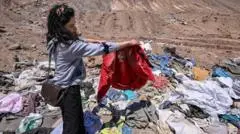
- • In South America, particularly in countries like Chile, the influx of discarded clothing has created environmental challenges. The Atacama Desert, known for its arid climate, has become a dumping ground for these textiles. This situation raises concerns about pollution and the impact on local ecosystems, as synthetic fibers can take hundreds of years to decompose. The sight of mountains of discarded clothing in such a pristine environment underscores the urgent need for more effective recycling solutions and responsible consumption practices.
- • The issue of textile waste is not just a local problem; it reflects broader global patterns of consumption and waste management. As fast fashion continues to thrive, the volume of discarded clothing increases, leading to a cycle where recycling efforts are undermined by the sheer quantity of waste produced. This situation calls for a reevaluation of consumer habits, encouraging individuals to consider the lifecycle of their clothing and the implications of their purchasing decisions on the environment.
- • Efforts are being made to address these challenges through initiatives that promote circular fashion and responsible disposal methods. Organizations are working to educate consumers about the importance of donating or recycling clothes properly, rather than contributing to the problem of textile waste. By fostering a culture of sustainability and awareness, there is potential to mitigate the negative impacts of discarded clothing on vulnerable regions like the South American deserts.
Source: BBC Business RSS
Read original →